Expert reports for asylum and extradition cases
Reports on criminal prosecutions brought by the Russian Federation, Belarus, Ukraine and the states of Central Asia, written for courts and tribunals in the United Kingdom, the European Union, the United States and the Balkans.
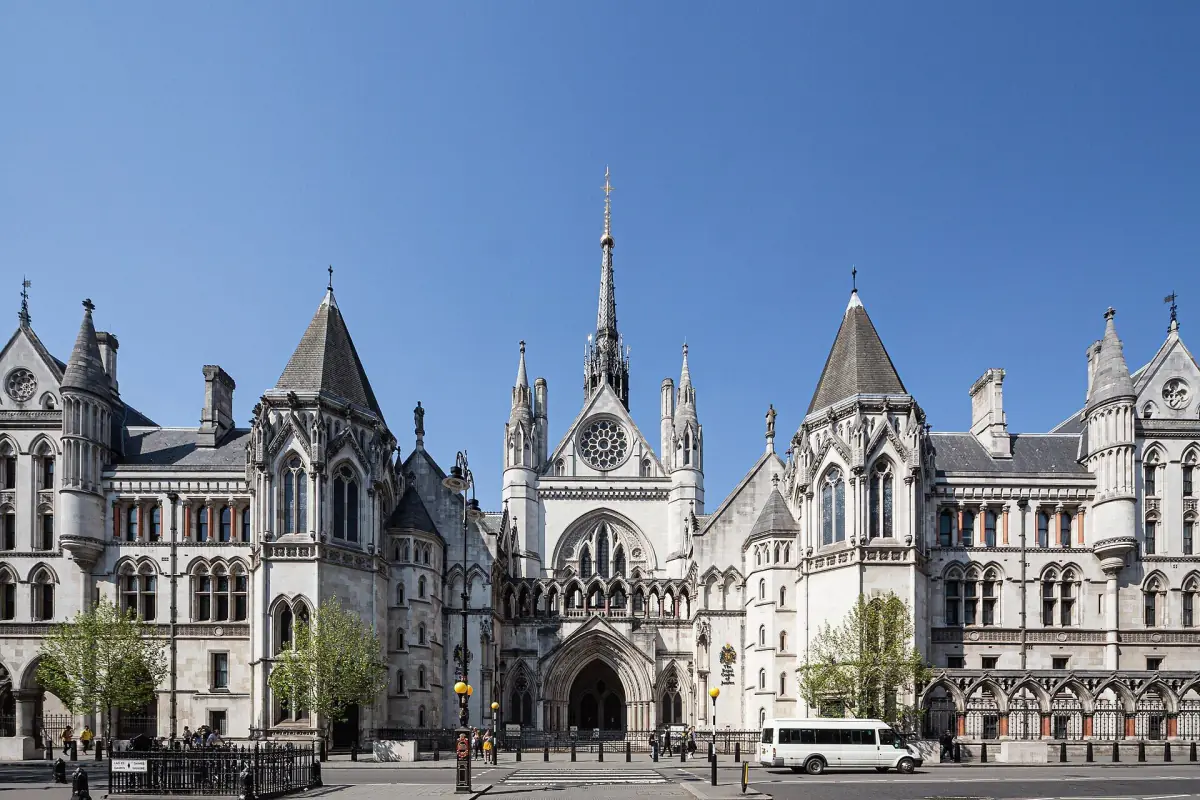
Royal Courts of Justice, London
A foreign court receives the request in translation, with the numbers of the articles charged. My reports explain how those articles are applied in practice and what the person faces after surrender.
Typical questions are whether a case bears the marks of political motivation, how the requesting state has used INTERPOL and CIS channels, and where and in what conditions the person would be held.
Each report is written for a particular court, from the case file and dated sources read in the original language. Instructions come only from lawyers.
What reports cover
Political motivation of a prosecution
INTERPOL and other police channels
Detention and treatment after surrender
Mobilisation, desertion and refusal to serve
Speech offences, “extremism” and treason
Chechnya and the North Caucasus
Corporate raiding and prosecution of entrepreneurs
Corruption in investigative bodies
Judicial independence and fair trial
Religious minorities
LGBT people
Cooperation between Belarusian and Russian security services
Russian, Belarusian and Ukrainian documents

Courts and tribunals
Each report follows the rules of the court that will read it: form, length, language and the standard applied to expert evidence.
England and Wales
First-tier Tribunal (IAC) · Upper Tribunal · Westminster Magistrates’ Court
United States
Immigration Courts · Board of Immigration Appeals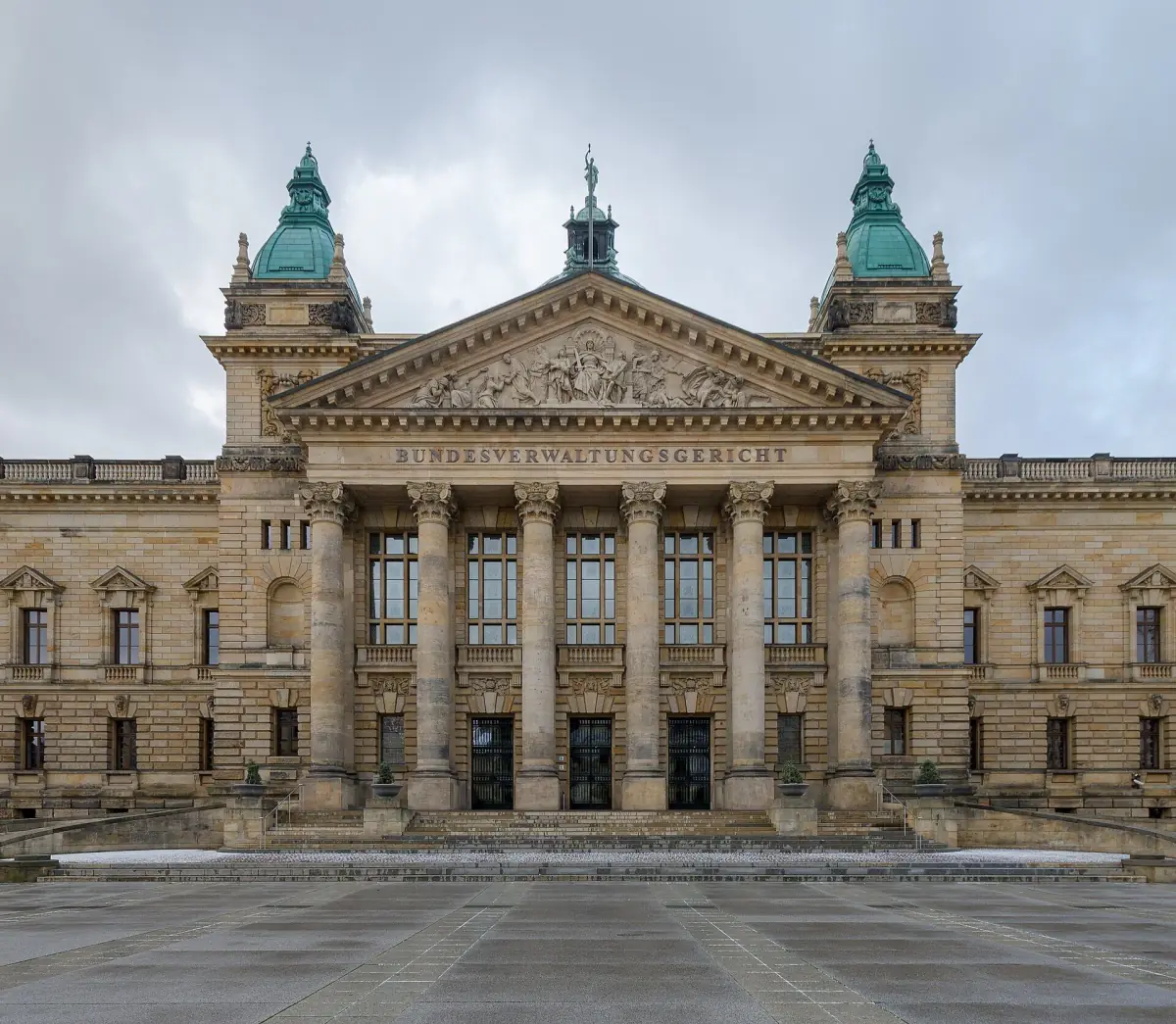
Germany
BAMF · administrative courts · Higher Regional Courts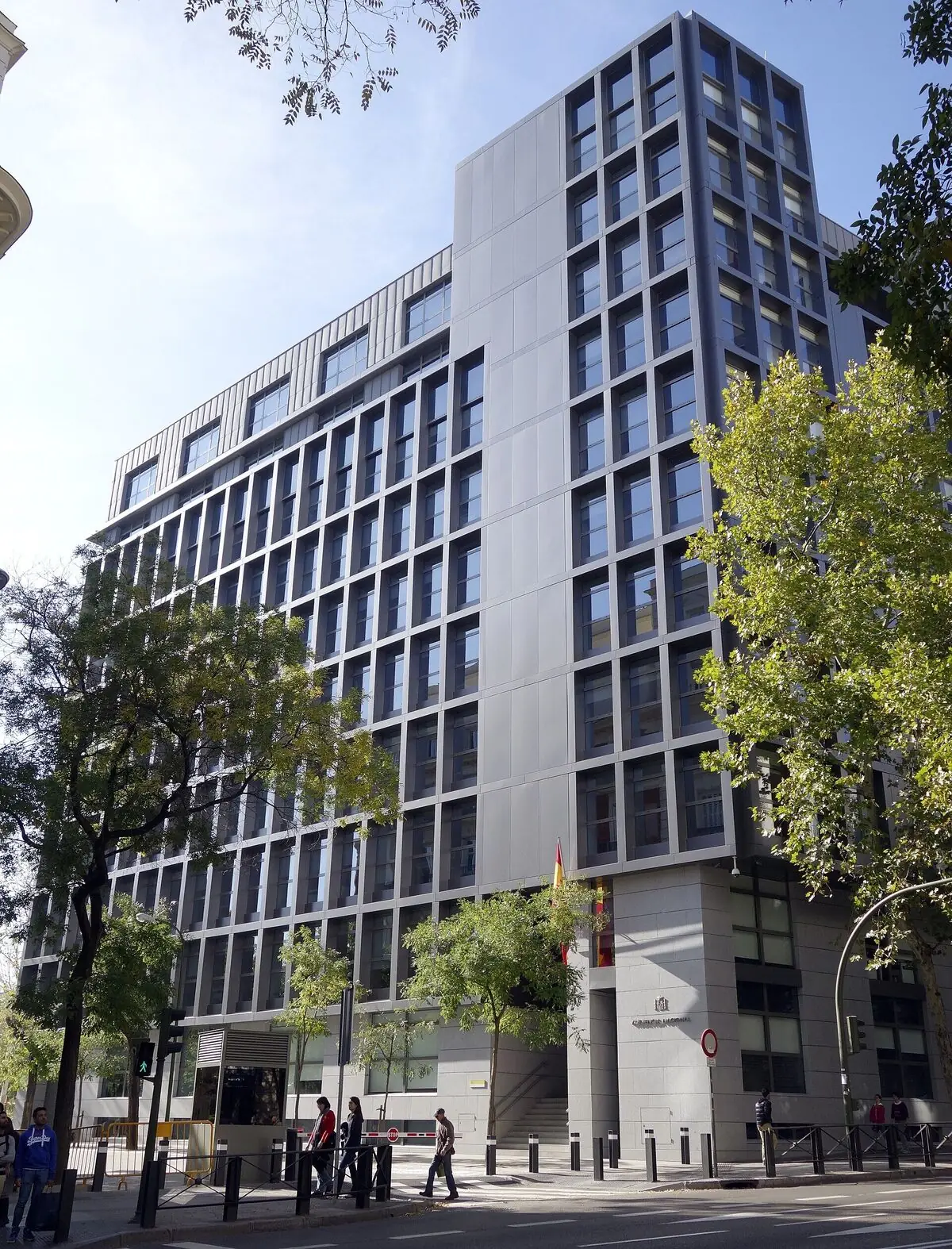
Spain
Oficina de Asilo y Refugio · Audiencia Nacional
France
OFPRA · Cour nationale du droit d’asile · Chambre de l’instruction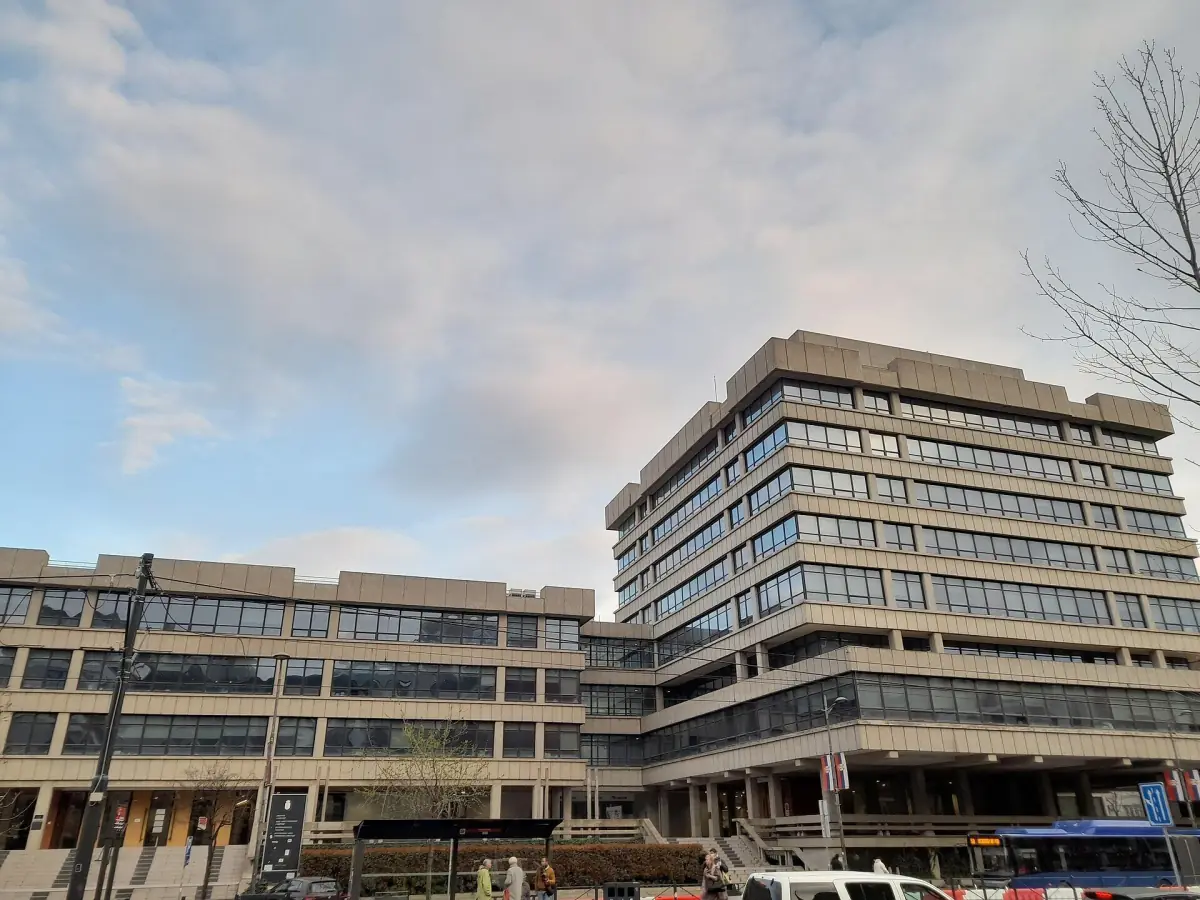
Serbia, Montenegro, Türkiye, UAE
Extradition proceedingsRussia, Belarus, Ukraine and Central Asia
Russian Federation
Status after leaving the Council of Europe, laws adopted since 2022, procedure in absentia, detention, returnees and groups at risk.
Belarus
Repression since 2020, trials in absentia, “extremist” lists, the death penalty, detention and documents for people abroad.
Ukraine
Martial law, mobilisation, exit rules for men, collaboration and treason charges, detention conditions and extradition.
Kazakhstan
Opposition movements declared extremist, the January 2022 events, Articles 174 and 405 of the Criminal Code, extradition case law.
Kyrgyzstan
Laws on “false information” and “foreign representatives”, prosecution of journalists and activists, CIS search.
Uzbekistan
Religious extremism charges, the 2022 Karakalpakstan events, detention and extradition case law.
Tajikistan
Banned opposition groups, transnational repression, pressure on relatives, extradition and informal returns.
Independence and standards
- I
Duty to the court
The expert’s duty to the court overrides any obligation to the instructing party (FtT Practice Direction, para 9; CPR 35.3; CrimPR 19.2).
- II
No conflicts
Conflicts of interest are checked before an instruction is accepted. Instructions come only from the person’s legal representatives.
- III
Contrary evidence
Evidence against the instructing party’s case is set out as carefully as evidence for it.
- IV
Fixed fee
Agreed in advance and never linked to the outcome.

From instruction to hearing
Instruction
The lawyer writes with the court, the hearing date and the questions. Conflicts are checked; terms, CV and an anonymised sample are sent.
Report
A signed and dated report addressed to the court, with the letter of instruction attached and a translation where the court needs one.
Oral evidence
If the court requires it, the expert gives evidence and answers questions by video link.
Anatoly Fursov
International lawyer with more than seventeen years of practice in criminal, immigration and international law concerning the post-Soviet states.
His reports have been relied on by courts and authorities in the European Union, the United States, Serbia, Montenegro and Senegal.
Full profileInstructions are accepted from lawyers
Write from your firm’s address with the court, the hearing date and the questions for the expert.
instruct@fursov-expert.com
If you are an applicant, please ask your lawyer to contact the expert. This keeps the report independent, which is what gives it weight in court.